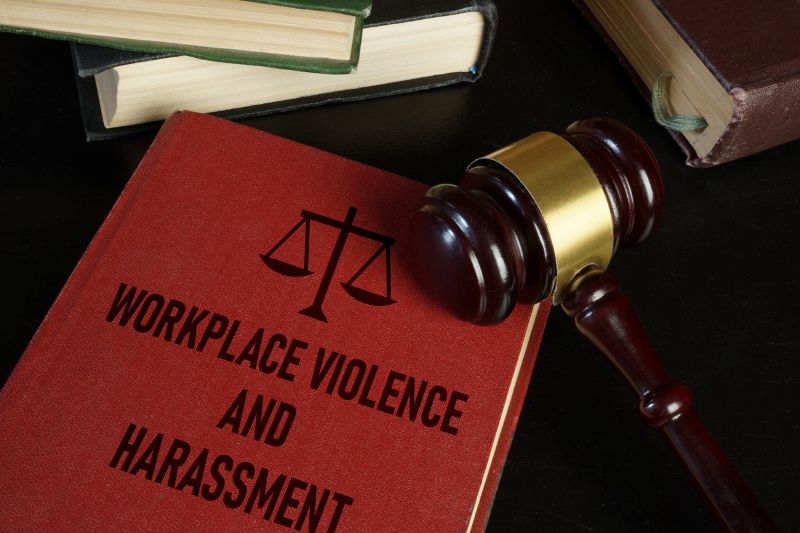
Through Act No. XI of 2026, published on 2nd of April 2026, amendments were introduced to Chapter 452 of the Laws of Malta, the Employment and Industrial Relations Act, with the aim of enshrining the right of employees, employers, and prospective employees to a work environment free from violence and harassment, as proposed through Bill 166.
As from the 2nd of April, the marginal note of Article 29 has been amended by replacing the term “Harassment” with “Sexual Harassment”, thereby distinguishing sexual harassment from the broader concept of violence and harassment introduced through the new provisions.
A key development is the introduction of Article 29A, which renders unlawful any behaviour constituting violence and/or harassment within a work environment. The amendments further reinforce the obligation on both employers and employees to uphold mutual respect and dignity in the workplace.
The amendments also broaden a number of definitions in order to strengthen protection and clarify the scope of the law:
Employee
Protection now extends beyond individuals in standard employment relationships to include interns, volunteers, individuals whose employment has been terminated, and prospective employees, including job applicants and job seekers.
Work Environment
The concept of a work environment is no longer limited to the physical workplace where duties are performed. It now encompasses settings connected to work-related activities, including journeys to and from work, break rooms, training sessions, work-related travel, and social events linked to employment.
Violence and Harassment
This term is described as “unacceptable behaviour, practices and omissions, or threats thereof, whether a single occurrence or repeated, that target, result in, or are likely to result in, physical, psychological, sexual or economic harm or suffering”.
Workplace violence and harassment may be addressed through existing enforcement mechanisms, including proceedings before the Industrial Tribunal. Importantly, the amendments also introduce criminal sanctions for breaches, effectively criminalising certain forms of workplace bullying.
In line with the standards established by the ILO Violence and Harassment Convention 2019 (Convention No. 190), the amendments now make it unlawful for both employers and employees to engage in conduct amounting to violence or harassment in the workplace. This includes physical, verbal, written, and online conduct, as well as situations where a person creates, permits, or contributes to an intimidating, hostile, offensive, or abusive working environment.